Women's hair, commonly known as feminine hair, embodies the physical and cultural attributes of hair growth and styles that are typically associated with women. It encompasses various hair textures, lengths, and colors, including straight, wavy, curly, and coily, and can be adorned with diverse hairstyles such as braids, buns, and ponytails.
Women's hair holds significant cultural, social, and personal value. It is often seen as a symbol of beauty, femininity, and self-expression. Healthy and well-maintained hair can boost self-confidence and promote a sense of well-being. Furthermore, hair has played a pivotal role in historical and cultural contexts, influencing fashion trends, beauty norms, and societal expectations.
This article delves into the multifaceted aspects of women's hair, exploring its cultural significance, hair care practices, and the latest trends in hair fashion. It aims to provide insightful information and practical tips for hair care and styling, empowering women to embrace and celebrate their unique hair journeys.
Women's Hair
Women's hair encompasses various aspects that contribute to its cultural, social, and personal significance. These key aspects include:
- Style: From braids to buns, hair reflects self-expression and cultural influences.
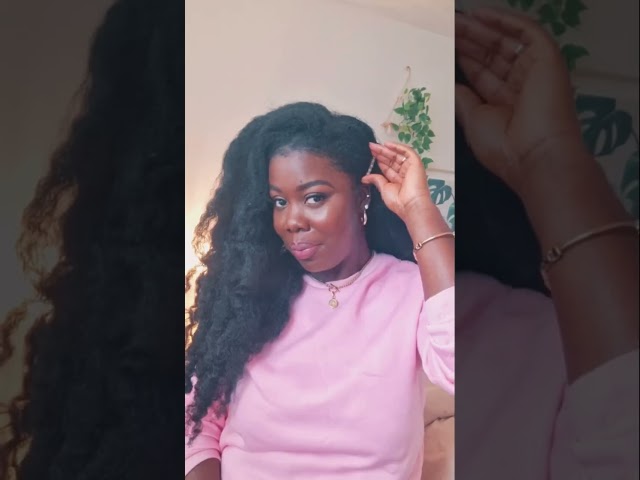
- Texture: Straight, wavy, curly, or coily, hair texture adds diversity and individuality.
- Health: Nourished and healthy hair enhances its beauty and overall well-being. li>
These aspects are interconnected and contribute to the multifaceted nature of women's hair. Hair texture influences styling options, while hair health affects its appearance and manageability. Cultural norms shape hair care practices and influence the significance of hair in different societies. Understanding these aspects provides a deeper appreciation of the unique and dynamic relationship women have with their hair.
Style
Styling hair is a multifaceted aspect of women's hair that encompasses self-expression, cultural influences, and personal preferences. Hairstyles can range from elegant buns to intricate braids, each carrying unique meanings and reflecting diverse cultural backgrounds.
- Social Identity: Hairstyles can signal social status, group affiliation, and cultural heritage. For example, the elaborate hairstyles of the Maasai people in Kenya are a symbol of their cultural identity and a way to distinguish between different age groups and social roles.
- Personal Expression: Hair styling allows individuals to express their creativity and personal style. From vibrant hair colors to edgy cuts, hairstyles can reflect one's personality, mood, and aspirations.
- Fashion Trends: Hairstyles are influenced by fashion trends and popular culture. Celebrities, fashion icons, and hair stylists often set the trends, inspiring new styles and techniques.
- Cultural Exchange: Hairstyles can transcend cultural boundaries, with styles being adopted and adapted across different cultures. This exchange of hair practices enriches cultural diversity and fosters mutual appreciation.
In conclusion, the style of women's hair is a powerful form of self-expression, cultural identity, and fashion statement. Hairstyles reflect the wearer's individuality, social status, and cultural heritage. By exploring the diverse styles and influences that shape women's hair, we gain a deeper understanding of the multifaceted nature of hair and its significance in human societies.
Texture
The texture of women's hair is a key aspect that contributes to its diversity and individuality. It refers to the natural pattern of hair growth, which can range from straight to wavy, curly, or coily. Hair texture is influenced by genetics, ethnicity, and environmental factors, resulting in a wide spectrum of hair types.
- Hair Structure: Hair texture is determined by the shape of the hair follicle. Straight hair grows from a round follicle, wavy hair from an oval follicle, curly hair from a kidney-shaped follicle, and coily hair from a flat or elliptical follicle.
- Cross-Sectional Shape: The cross-sectional shape of hair strands also affects texture. Straight hair has a round cross-section, wavy hair has an oval cross-section, curly hair has an elliptical cross-section, and coily hair has a flat cross-section.
- Cuticle Layer: The cuticle layer, which protects the hair shaft, influences texture as well. Straight hair has a smooth cuticle layer, while wavy, curly, and coily hair have a rougher cuticle layer with raised scales.
- Moisture Retention: Hair texture also affects moisture retention. Straight hair retains moisture more easily than wavy, curly, or coily hair due to its smoother cuticle layer. This can impact hair care routines and styling techniques.
Understanding the different textures of women's hair is essential for proper hair care and styling. Each hair texture has unique characteristics and requires specific products and techniques to maintain its health and beauty. Embracing the diversity of hair textures celebrates the individuality and beauty of women.
Health
Healthy hair is a reflection of overall health and well-being. Nourished hair exhibits a lustrous shine, vibrant color, and strong texture. It is more manageable, less prone to breakage, and contributes to a person's overall sense of confidence and attractiveness.
There is a strong connection between hair health and overall health. Nutritional deficiencies, hormonal imbalances, and certain medical conditions can affect hair growth and quality. For instance, a lack of iron can lead to hair loss, while an imbalance of thyroid hormones can cause hair to become dry and brittle. Conversely, a healthy diet, adequate hydration, and stress management can promote healthy hair growth.
Practical applications of this understanding include adopting a balanced diet rich in essential vitamins and minerals, staying hydrated, managing stress levels, and seeking professional advice if hair concerns persist. Proper hair care routines, such as regular washing and conditioning, can also contribute to maintaining healthy hair. Embracing healthy hair practices can not only enhance the appearance of hair but also improve overall well-being.
In conclusion, healthy hair is an indicator of overall well-being and can significantly contribute to a person's self-esteem and quality of life. By understanding the connection between hair health and overall health, we can make informed choices to nourish and care for our hair, reaping the benefits of both physical beauty and inner well-being.
Culture
Hair holds significant cultural meanings, shaping fashion trends and societal norms as it relates to women's identity, self-expression, and social status. This cultural aspect of women's hair encompasses various facets:
- Religious Symbolism: Hair has religious significance in many cultures. For example, covering or uncovering hair can signify modesty, spirituality, or cultural affiliation, as seen in practices like wearing hijabs or shaving heads.
- Ethnic Identity: Hair textures and styles are often associated with specific ethnic groups, contributing to a sense of cultural identity and collective belonging. For instance, natural hairstyles like afros or braids have become symbols of empowerment and cultural pride.
- Social Status: In certain cultures, hair length, style, and adornments indicate social status or marital status. Historically, long hair was seen as a sign of beauty and fertility, while short hair could symbolize mourning or servitude.
- Fashion Trends: Hair fashion trends are influenced by cultural factors, with hairstyles often reflecting broader societal changes and aspirations. For example, the popularity of bobs in the 1920s mirrored the trend towards women's liberation and the rejection of traditional gender roles.
In conclusion, the cultural significance of women's hair is multifaceted, encompassing religious symbolism, ethnic identity, social status, and fashion trends. Understanding these cultural meanings allows us to appreciate the diverse and dynamic nature of women's hair and its profound impact on personal and societal norms.
Frequently Asked Questions about Women's Hair
This FAQ section addresses common questions and misconceptions about women's hair, providing essential information and clarifying key aspects.
Question 1: What are the different types of hair textures?
Answer: Hair texture refers to the natural pattern of hair growth, which can be straight, wavy, curly, or coily. Each texture has unique characteristics and requires specific care and styling techniques.
Question 2: How does hair health impact overall well-being?
Answer: Healthy hair is a reflection of overall health and well-being. Nourished hair is more manageable, less prone to breakage, and contributes to a person's self-confidence. Nutritional deficiencies, hormonal imbalances, and stress can affect hair growth and quality.
Question 3: What are some common hair care mistakes?
Answer: Over-washing, using harsh products, excessive heat styling, and neglecting regular trims are some common hair care mistakes that can damage hair and hinder its growth.
Question 4: How can I prevent hair loss?
Answer: Hair loss can be caused by various factors, including genetics, hormonal changes, and medical conditions. Maintaining a healthy lifestyle, managing stress, and using appropriate hair care products can help prevent excessive hair loss.
Question 5: What are the latest hair trends?
Answer: Hair fashion trends evolve constantly, influenced by cultural factors and celebrity styles. Current trends include embracing natural textures, experimenting with bold colors, and adopting sustainable hair practices.
Question 6: How does culture influence women's hair?
Answer: Hair holds significant cultural meanings, shaping fashion trends and societal norms. Hairstyles, hair coverings, and hair adornments can convey religious symbolism, ethnic identity, social status, and cultural heritage.
In summary, understanding the different aspects of women's hair, from texture and health to cultural significance, empowers individuals to make informed choices about their hair care and styling.
This comprehensive overview provides a solid foundation for further exploration of specific hair concerns, styling techniques, and hair-related cultural practices.
{Tips for Maintaining Healthy and Beautiful Hair}
This section provides practical tips to help you maintain healthy and beautiful hair, addressing common hair concerns and promoting overall hair well-being.
Tip 1: Adopt a Gentle Hair Care Routine: Use sulfate-free shampoos and conditioners, avoid over-washing, and minimize the use of heat styling tools to prevent damage.
Tip 2: Nourish Your Hair with Regular Conditioning: Deep condition your hair weekly or bi-weekly to replenish moisture and restore its natural shine and softness.
Tip 3: Protect Your Hair from Environmental Damage: Wear a hat or scarf when exposed to harsh sunlight or extreme temperatures to shield your hair from UV rays and wind damage.
Tip 4: Manage Stress Levels: Chronic stress can contribute to hair loss and other hair problems. Engage in stress-reducing activities such as yoga, meditation, or spending time in nature.
Tip 5: Maintain a Healthy Diet: Consume a balanced diet rich in essential vitamins and minerals, including biotin, iron, and protein, to support healthy hair growth.
Tip 6: Get Regular Hair Trims: Regular trims remove split ends, preventing further breakage and promoting healthy hair growth.
Tip 7: Avoid Chemical Treatments: Limit the use of chemical hair treatments such as bleaching, dyeing, and perming, as they can damage the hair shaft and lead to dryness and breakage.
Tip 8: Consult a Hair Professional: If you experience persistent hair concerns or scalp issues, consult a dermatologist or hair specialist for professional advice and personalized treatment options.
In summary, following these tips can help you achieve healthy, strong, and beautiful hair. By adopting gentle hair care practices, providing nourishment and protection, managing stress, and seeking professional guidance when needed, you can maintain the vitality and beauty of your hair.
Transitioning to the article's conclusion, these tips not only enhance the appearance of your hair but also contribute to your overall well-being. Healthy hair reflects inner health and vitality, boosting confidence and self-esteem.
Conclusion
In exploring the multifaceted nature of women's hair, this article has illuminated its cultural significance, health implications, diverse textures, and styling possibilities. We have learned that hair transcends mere aesthetics, embodying personal identity, social norms, and cultural heritage.
The interconnectedness of these aspects highlights the importance of embracing and celebrating the unique beauty and diversity of women's hair. By understanding the cultural meanings, health benefits, and styling versatility of hair, we can empower individuals to make informed choices about their hair care and styling practices.


No comments:
Post a Comment